Greyhound Welfare & GBGB Regulation: What Bettors Should Know
Greyhound welfare standards under GBGB regulation — injury reporting, retirement and rehoming rates, drug testing, and the sport's welfare record.
 Available in US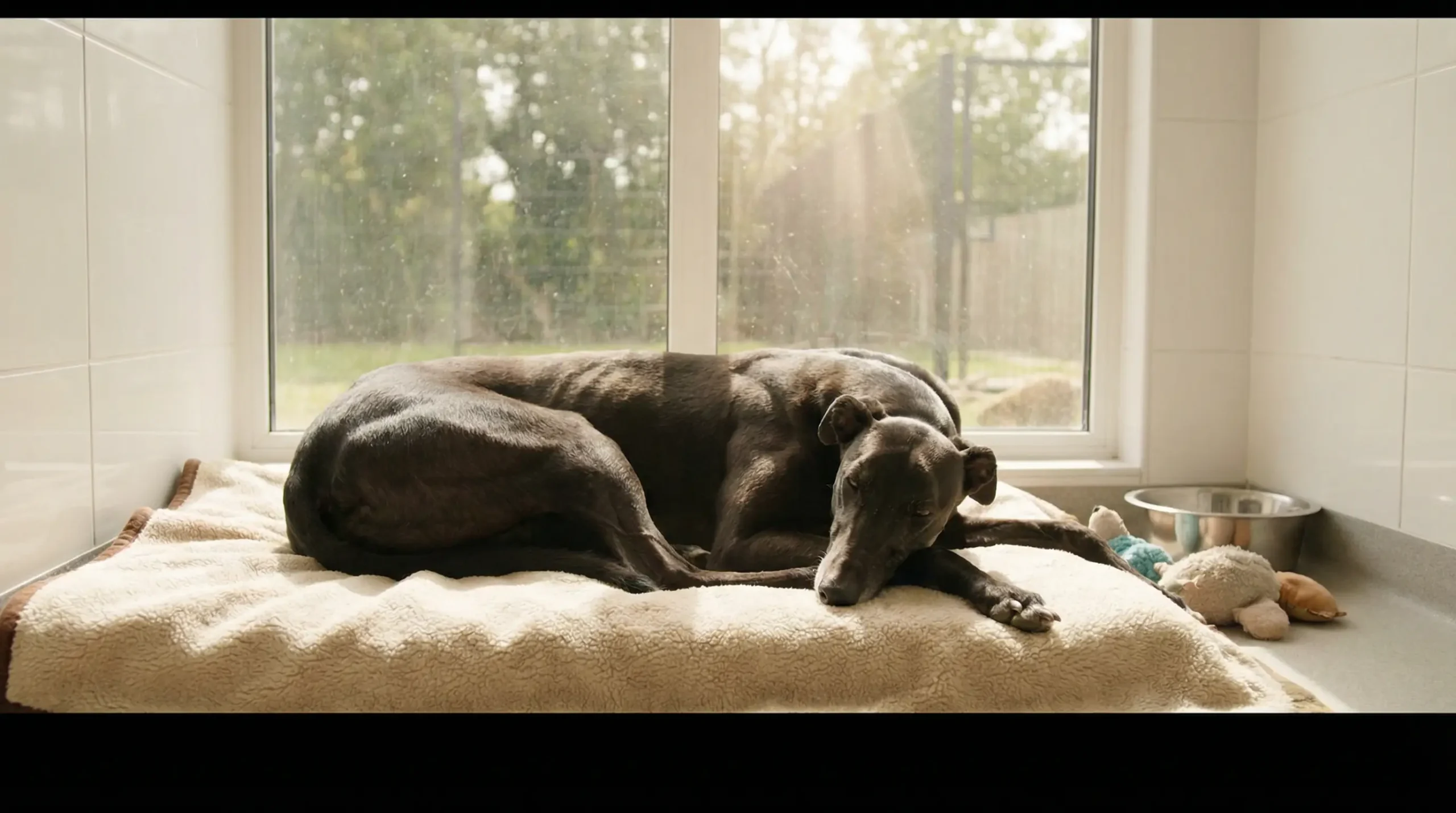
The Sport Behind the Racecard
Greyhound racing is a betting sport built around live animals. That combination places obligations on the industry that other betting products — virtual racing, football accumulators, exchange markets — do not carry. The welfare of the dogs, the integrity of the competition, and the regulatory framework that governs both are not peripheral concerns for punters. They are the foundation on which the sport’s legitimacy rests, and understanding them is part of being an informed participant rather than a passive consumer.
The UK greyhound racing industry operates under a regulatory structure that has evolved considerably over the past two decades, driven by public scrutiny, political pressure, and the sport’s own recognition that long-term survival depends on demonstrable welfare standards. The framework is not perfect — no regulatory system is — but it is more comprehensive and more actively enforced than at any previous point in the sport’s history.
This article covers the regulatory bodies, the welfare standards they enforce, the rehoming infrastructure for retired racing dogs, and the drug-testing regime that protects the sport’s integrity. These are not abstract policy matters. They are practical realities that affect the dogs you bet on, the results you rely on, and the sport you engage with.
The GBGB: Who Regulates Greyhound Racing
The Greyhound Board of Great Britain — GBGB — is the governing and regulatory body for licensed greyhound racing in the UK. It is the successor to the National Greyhound Racing Club, which performed the same function from 1928 until the GBGB assumed responsibility. The GBGB licenses tracks, registers dogs and trainers, sets the rules of racing, and administers the disciplinary and welfare frameworks that govern the sport.
Every GBGB-licensed track operates under a standard set of rules covering race conduct, grading, trap draws, veterinary provision, and kennel standards. The licensing requirement means that any meeting taking place at a GBGB track has been staged in accordance with these rules, with on-site veterinary supervision, regulated race conditions, and accountability to the governing body. Independent (or flapping) tracks — those that operate outside the GBGB framework — exist but are not subject to the same regulatory oversight, and the form from independent tracks is generally not included in the mainstream data systems that bettors use.
The GBGB’s regulatory function includes stewarding — the on-track officials who monitor each race for rule violations, interference, and running irregularities — and a disciplinary process that can impose fines, suspensions, and bans on trainers or owners who breach the rules. Stewards’ enquiries after races that involve interference can result in the amendment of the official result, which affects both the sporting record and the settlement of bets.
For bettors, the GBGB’s role matters because it provides the framework of trust on which all form analysis depends. When you read a racecard, you are relying on the accuracy of the times, the fairness of the grading, and the integrity of the results. The GBGB’s regulations and their enforcement are what underwrite that reliance.
Welfare Standards: What the Rules Require
The welfare regime for racing greyhounds covers the entire lifecycle of the dog within the sport: from registration and early training through active racing to retirement and rehoming. The GBGB publishes detailed welfare standards, and compliance is monitored through track inspections, kennel visits, and the veterinary examinations that accompany every racing appearance.
Every racing greyhound must be registered with the GBGB, which includes identity verification through ear markings and microchipping. The registration creates a traceable record for each dog from entry into the sport through to retirement. Trainers are required to maintain records of each dog in their care, including feeding, exercise, veterinary treatment, and race entries.
On race day, every dog undergoes a pre-race veterinary examination. The track veterinary surgeon checks for signs of illness, injury, or unfitness to race. A dog that fails the examination is withdrawn. Post-race veterinary checks are also conducted, particularly for dogs involved in interference or that show signs of distress or injury after the race. Dogs that sustain injuries during racing receive immediate on-track veterinary attention, and the costs of treatment are covered within the sport’s welfare provisions.
Kennel standards are regulated, with minimum requirements for space, hygiene, temperature, exercise, and nutrition. Trainers’ kennels are subject to inspection, and breaches of kennel standards can result in disciplinary action including the suspension or revocation of the trainer’s licence. These standards have been tightened progressively, reflecting increased public expectations and the sport’s own investment in animal welfare.
The injury rate in greyhound racing is a matter of public and political interest. The GBGB publishes annual injury statistics, covering the number of racing injuries, their severity, and the outcomes for injured dogs. The data shows that the majority of racing injuries are minor — muscular strains and small cuts that resolve with rest — but serious injuries, including fractures, do occur. The sport’s response has included investment in track surface maintenance, veterinary provision, and research into injury prevention, but the risk inherent in racing live animals at speed cannot be entirely eliminated.
Rehoming: What Happens After Racing
The retirement and rehoming of racing greyhounds has become the most publicly visible welfare issue in the sport, and the infrastructure around it has expanded significantly in response to sustained public and political pressure.
The GBGB operates the Greyhound Retirement Scheme, which tracks every dog leaving the sport and requires that trainers provide a recorded destination for each retired greyhound. The scheme aims to ensure that no dog leaves the racing system without a plan for its future, whether that is adoption as a pet, transfer to a rehoming organisation, or return to the owner or breeder.
Dedicated greyhound rehoming organisations — the Greyhound Trust (formerly the Retired Greyhound Trust, rebranded in 2017) being the largest and most established — take in retired racing dogs, assess their temperament and health, and match them with adoptive families. The Greyhound Trust and similar charities operate a network of over fifty branches across the country and have rehomed over 100,000 greyhounds since their establishment. The demand for retired greyhounds as pets has grown steadily, driven by the breed’s temperament — greyhounds are gentle, low-energy house dogs despite their racing speed — and by increased public awareness of the rehoming process.
The sport’s financial contribution to rehoming has increased alongside the expansion of the infrastructure. A proportion of the revenue generated by racing — through media rights, prize money levies, and direct contributions from the GBGB — is allocated to the Greyhound Retirement Scheme and to supporting rehoming charities. The adequacy of this funding remains a point of debate between the sport and its critics, but the direction of travel — more funding, more capacity, more dogs rehomed — is clear.
Drug Testing and Integrity
Drug testing in greyhound racing serves two purposes: protecting the welfare of the dogs and protecting the integrity of the betting markets. The GBGB operates a testing programme that covers both race-day samples and out-of-competition tests at trainers’ kennels.
On race day, dogs may be selected for urine sampling after any race. The selection can be random, targeted at winners, or triggered by a steward’s concern about a dog’s performance. The samples are analysed at accredited laboratories for prohibited substances, which include performance-enhancing drugs, sedatives, stimulants, and any substance that could affect a dog’s natural running ability. A positive test triggers a disciplinary inquiry, and the penalties — fines, suspensions, and in serious cases, licence revocation — are published by the GBGB.
Out-of-competition testing extends the oversight beyond the track. GBGB officials can visit trainers’ kennels and request samples from dogs in their care, whether or not those dogs are due to race imminently. This programme addresses the possibility of substances being administered during training or preparation periods, where the effects might enhance performance without being detectable on race day. The out-of-competition programme was introduced in response to concerns that race-day testing alone was insufficient, and it has since become a routine element of the integrity framework.
For bettors, the drug-testing regime is the assurance that the form you are analysing reflects the dogs’ natural ability rather than chemical enhancement. A positive test retrospectively invalidates the form produced in the affected race and can cast doubt on adjacent runs. The integrity of the testing programme is therefore not an abstract concern — it is a direct input into the reliability of the data you use to make betting decisions.
The Informed Bettor: Why This Matters to You
You do not need to be an animal welfare campaigner to care about the regulatory framework of greyhound racing. You need to be a bettor who wants the form to be genuine, the results to be honest, and the sport to be sustainable enough to continue providing the betting product you engage with.
The welfare standards determine whether dogs arrive at the track in condition to race at their best. The grading system depends on honest running to produce accurate classifications. The drug-testing regime protects you from form that has been artificially manipulated. The rehoming infrastructure contributes to the social licence that allows greyhound racing to continue operating in a political and media environment that is increasingly attentive to animal welfare.
Being informed about these structures does not change your approach to a single racecard. It changes your understanding of the context in which that racecard was produced. The sport carries its complexities. Engaging with them honestly — acknowledging what works, what needs improvement, and what the industry is doing about it — is part of being a serious participant rather than a casual one.
Read about greyhound welfare and GBGB regulation on the livegreyhoundtoday homepage.
See how welfare links to racing grades in racing grades.
